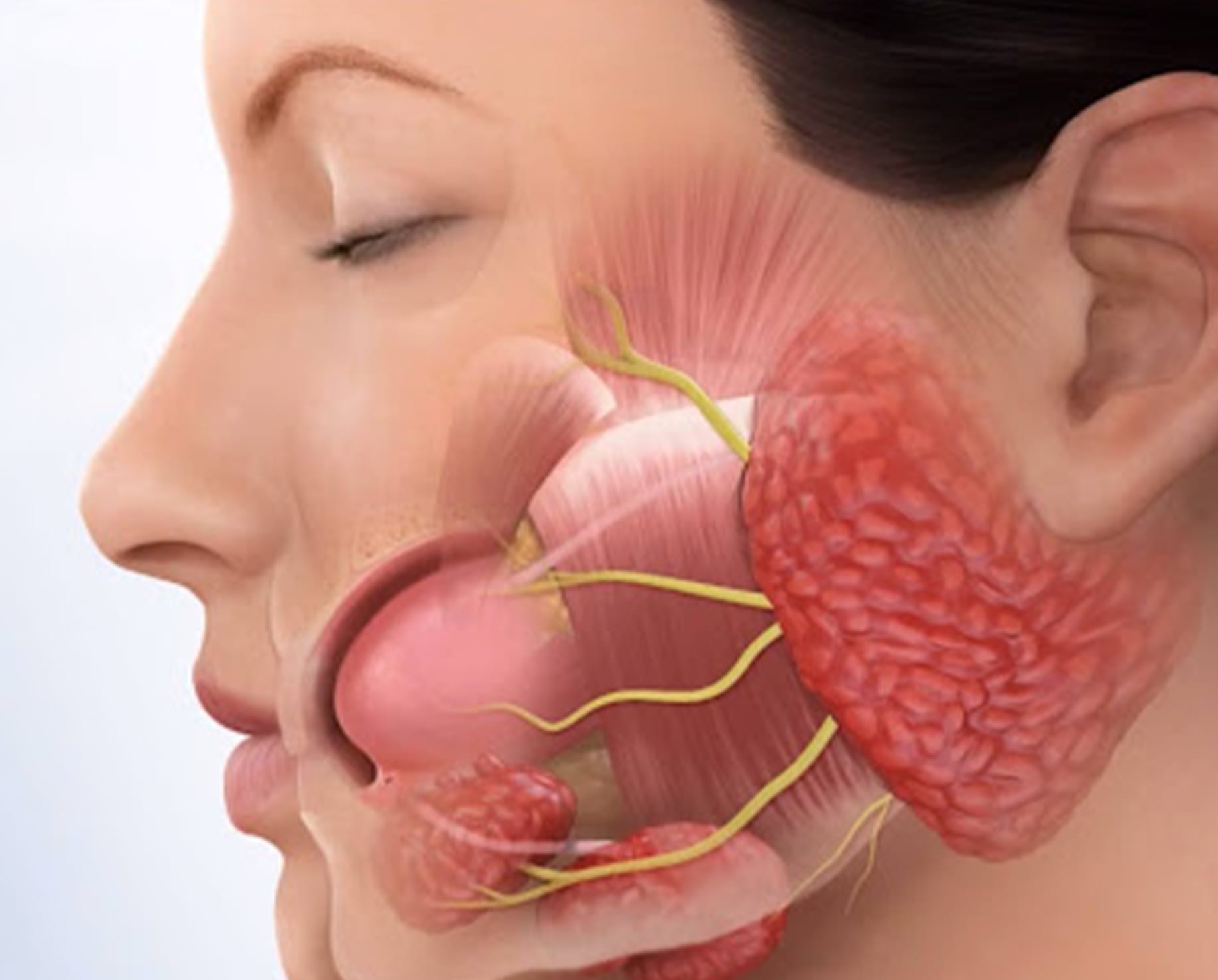
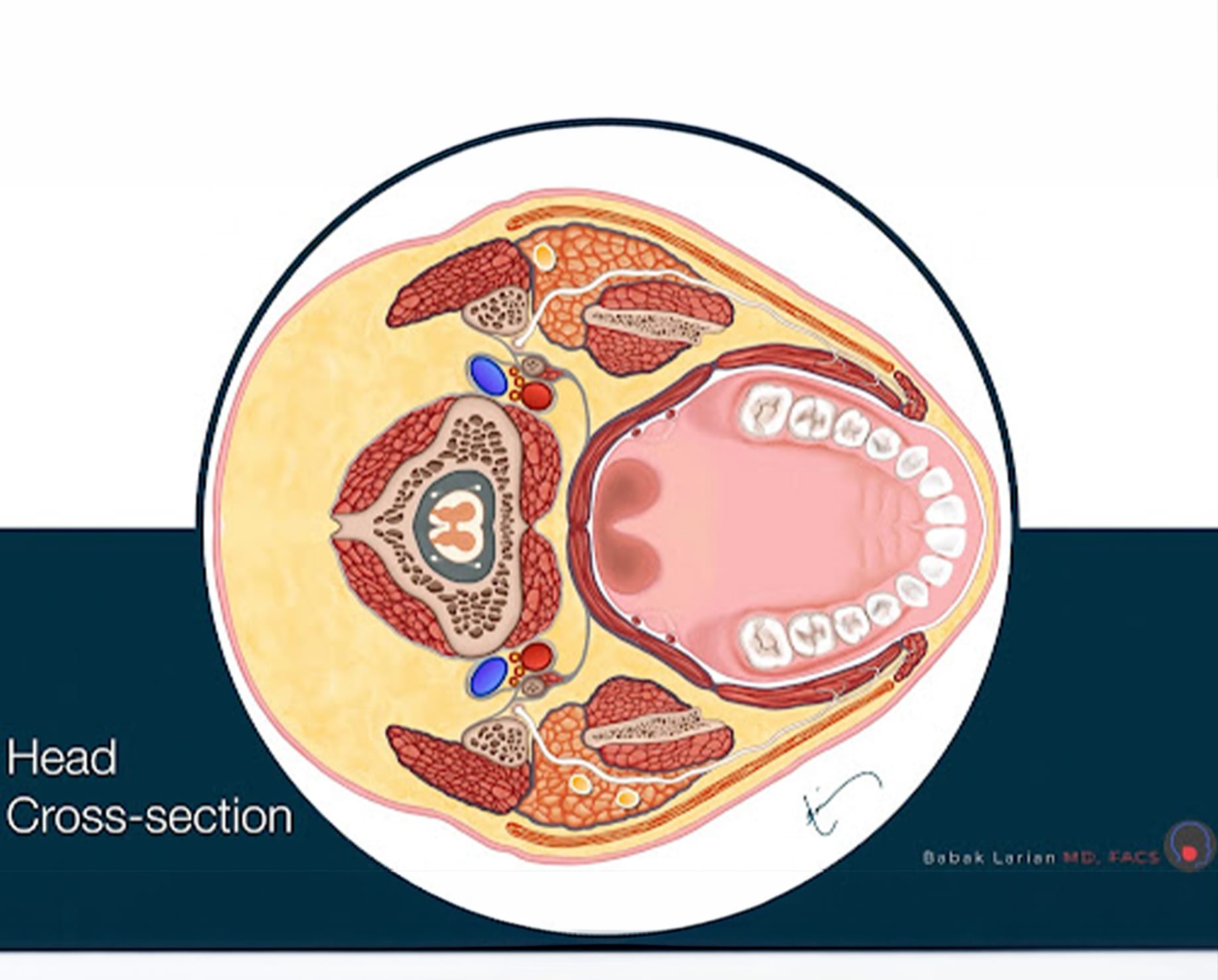
The parotid gland is the largest of the major salivary glands. You have two parotid glands, one on each side of your face, located just in front of and below the ear.

The primary function of the parotid gland is to produce saliva, which helps:

  • Keep the mouth moist
  • Begin the digestive process
  • Protect teeth from decay
  • Support healthy chewing and swallowing
  • Reduce the risk of oral infections

Saliva produced in the parotid gland travels through a tube called the parotid duct, which empties into the mouth near the upper molars.

How Does the Parotid Gland Work?

Inside the gland is a complex network of microscopic ducts and glandular tissue. These tiny channels collect saliva and transport it into the main parotid duct.

Although the duct visible to surgeons appears relatively simple, it actually branches into millions of microscopic ductules throughout the gland. Together, this network ensures saliva is delivered efficiently from the gland into the mouth.

Why Is the Parotid Gland So Important?

The most important reason the parotid gland receives special attention from head and neck surgeons is because the facial nerve runs directly through it.

The facial nerve controls many of the muscles responsible for:

  • Smiling
  • Blinking
  • Raising the eyebrows
  • Frowning
  • Closing the eyes
  • Facial expression

As the facial nerve passes through the parotid gland, it divides into multiple branches that spread across the face.

Because of this relationship, any surgery involving the parotid gland requires careful identification and preservation of the facial nerve.

How Much Saliva Does the Parotid Gland Produce?

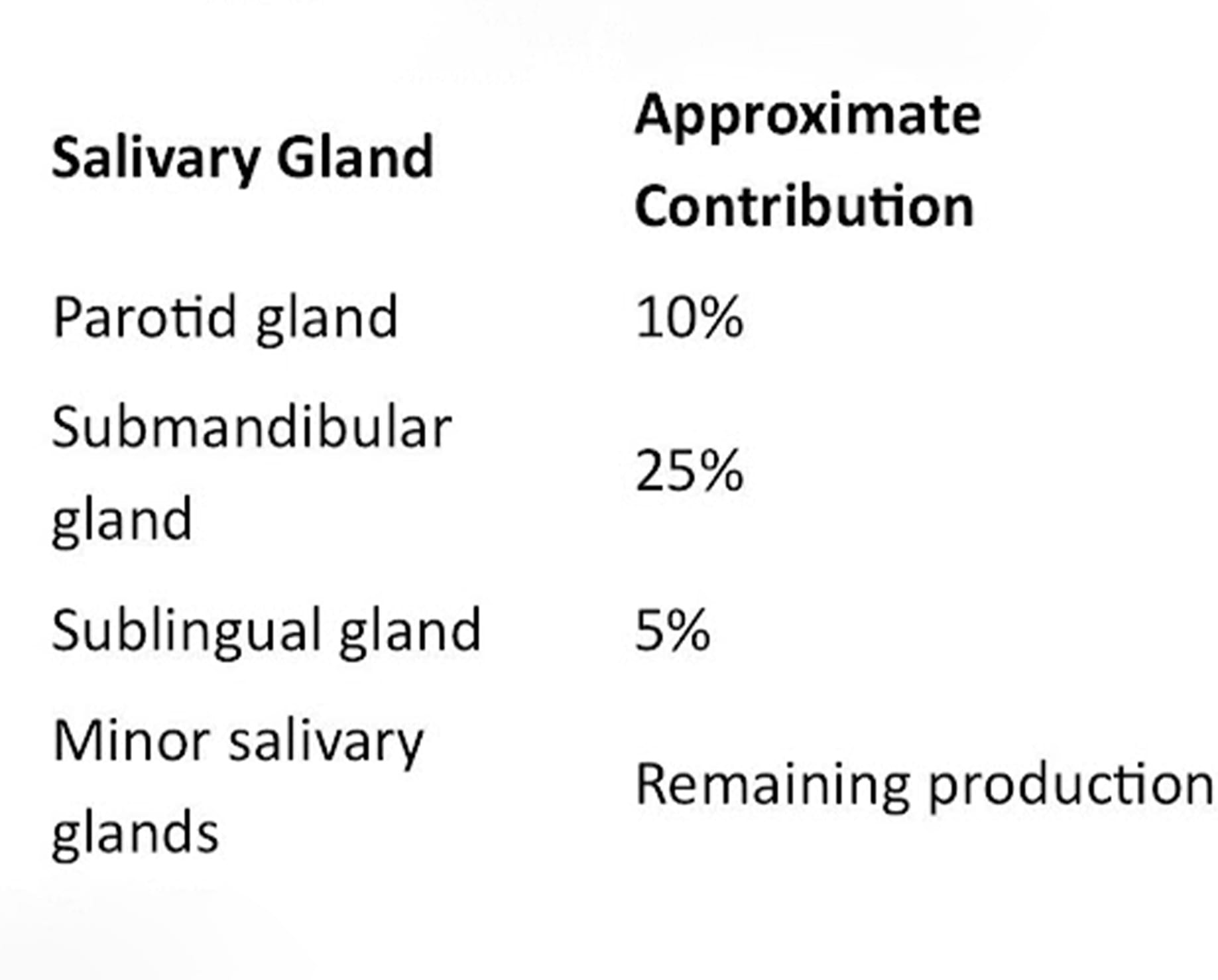
Many people may assume that the parotid gland produces most of the body’s saliva because it is the largest salivary gland. Surprisingly, that is not the case.

At rest, saliva production is distributed among several glands:

The submandibular glands, located beneath the jaw, are responsible for the largest portion of everyday saliva production. Because the other salivary glands continue to produce the majority of saliva, most patients do not experience significant dry mouth after part of the parotid gland is removed.

What Are Common Parotid Gland Problems?

Several conditions can affect the parotid gland, including:

Parotid Gland Tumors

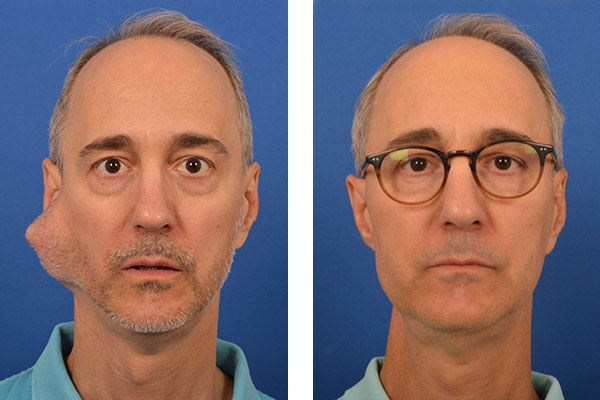
A tumor within the parotid gland often presents as a painless lump near the jawline or below the ear.

Most parotid tumors are benign (noncancerous), but some can be malignant (cancerous). Evaluation typically involves imaging studies and, in many cases, a needle biopsy.

Parotid Gland Swelling

Swelling of the parotid gland can result from:

  • Salivary gland infections
  • Salivary stones
  • Autoimmune diseases
  • Blocked ducts
  • Viral illnesses
Facial Nerve Symptoms

Although uncommon, some parotid gland tumors may affect the facial nerve, leading to:

  • Facial weakness
  • Drooping of the mouth
  • Difficulty closing the eye
  • Changes in facial expression

These symptoms warrant prompt medical evaluation.

What Happens If Part of the Parotid Gland Is Removed?

When a tumor develops in the parotid gland, surgery is often the recommended treatment.

Because the parotid gland contributes only a portion of total saliva production, most patients notice little change in their ability to produce saliva after a partial parotidectomy.

The primary focus during surgery is often preserving facial nerve function while completely removing the tumor.

Frequently Asked Questions About the Parotid Gland

Where is the parotid gland located?

The parotid gland sits in front of and below the ear, covering part of the jawbone on each side of the face.

What does the parotid gland do?

The parotid gland produces saliva that helps with digestion, oral health, chewing, and swallowing.

Can you live without a parotid gland?

Yes. Most people function normally after removal of part or even all of one parotid gland because other salivary glands continue to produce saliva.

Are parotid gland tumors usually cancerous?

No. However, certain benign tumors, such as pleomorphic adenomas, can rarely undergo malignant transformation over time. This is one reason it is important to have any new lump near the parotid gland evaluated by a specialist, even if it does not cause pain or other symptoms.

Why is the facial nerve important during parotid surgery?

The facial nerve runs through the parotid gland and controls the muscles responsible for facial movement and expression, including smiling, blinking, raising the eyebrows, and closing the eyes. Because the nerve passes through the gland, parotid surgery requires careful identification and protection of the facial nerve and its branches.

Protecting facial nerve function is one of the most important goals during parotid gland surgery. When medically appropriate, surgeons work to remove the tumor while preserving the facial nerve and maintaining facial movement.

Key Takeaway

The parotid gland is the largest salivary gland in the body, located just in front of the ear. While it contributes only a portion of total saliva production, it is uniquely important because the facial nerve passes directly through it. Understanding the anatomy of the parotid gland can help patients better understand symptoms such as swelling, tumors, facial weakness, and the treatment options available when problems arise.

REQUEST YOUR CONSULTATION TODAY

Call us at (310) 461-0300 to schedule an appointment.
SCHEDULE A CONSULTATION