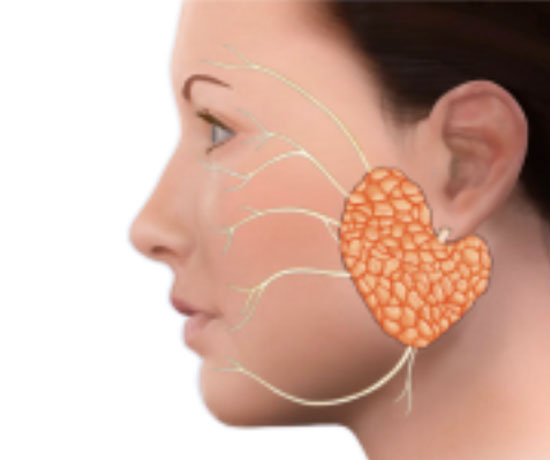
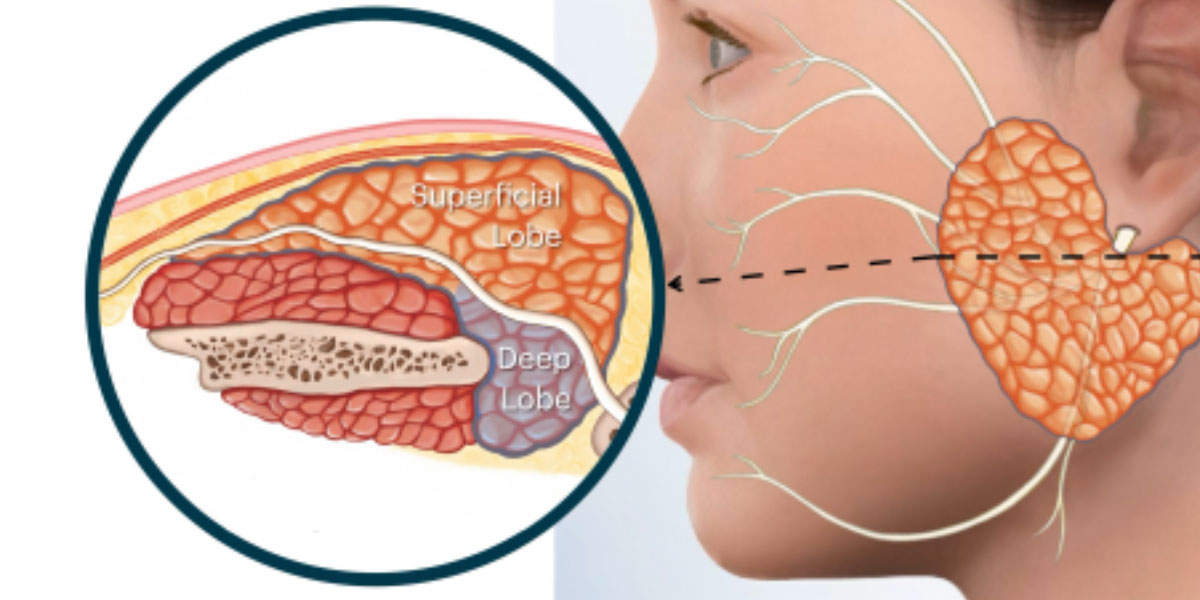
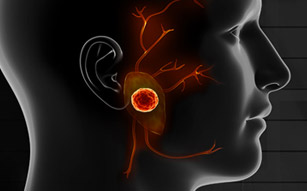
- Superficial lobe (above the facial nerve, closer to the skin)
- Deep lobe (below the facial nerve, deeper within the tissue)
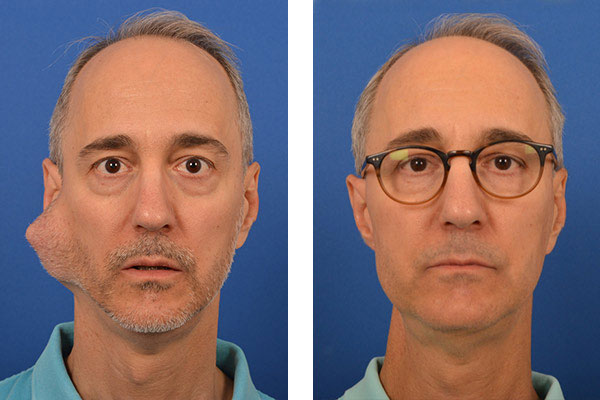
Tumors can form in either lobe and may be benign (non-cancerous) or malignant (cancerous). Depending on the nature of the tumor and its relationship to the facial nerve, surgeons may choose different surgical approaches.
What is a Superficial Parotidectomy?
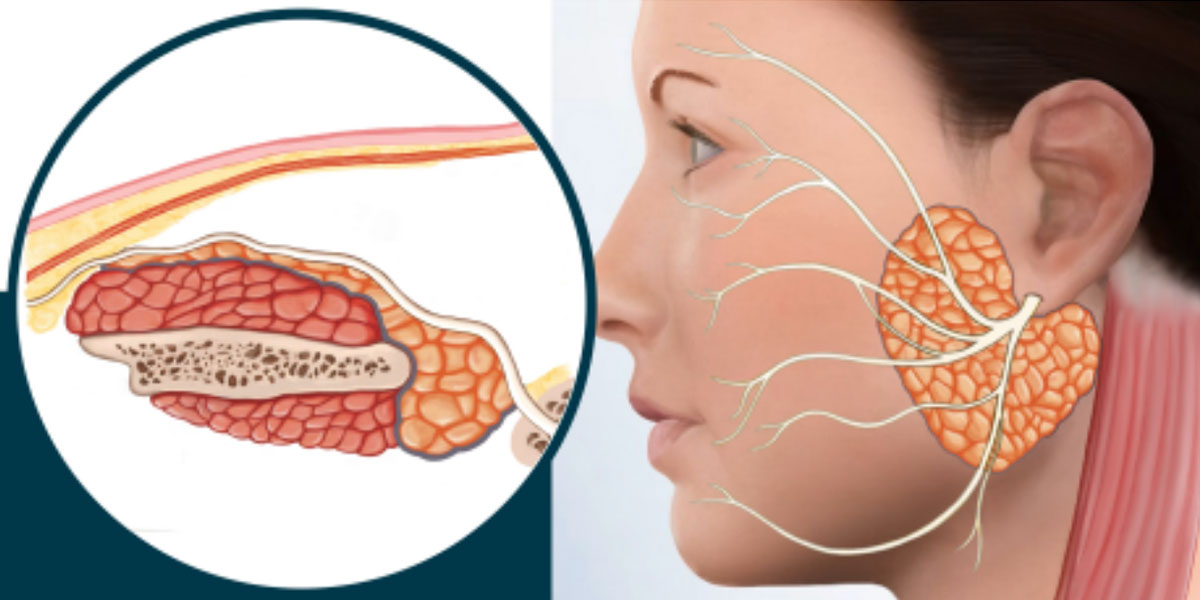
A superficial parotidectomy involves removing the entire superficial lobe of the parotid gland, even if the tumor or cyst doesn’t require full removal of that much tissue.
Key characteristics:
- The incision begins in front of the ear, extends behind the ear, and down into the neck.
- The facial nerve is exposed, which can increase the risk of trauma to the nerve. This approach is more generalized — the same large area is removed regardless of the specific size, location, or type of lesion.
While this method ensures complete access and tumor removal, it may be more invasive than necessary, especially for small or benign tumors.
What is a Micro-Parotidectomy?
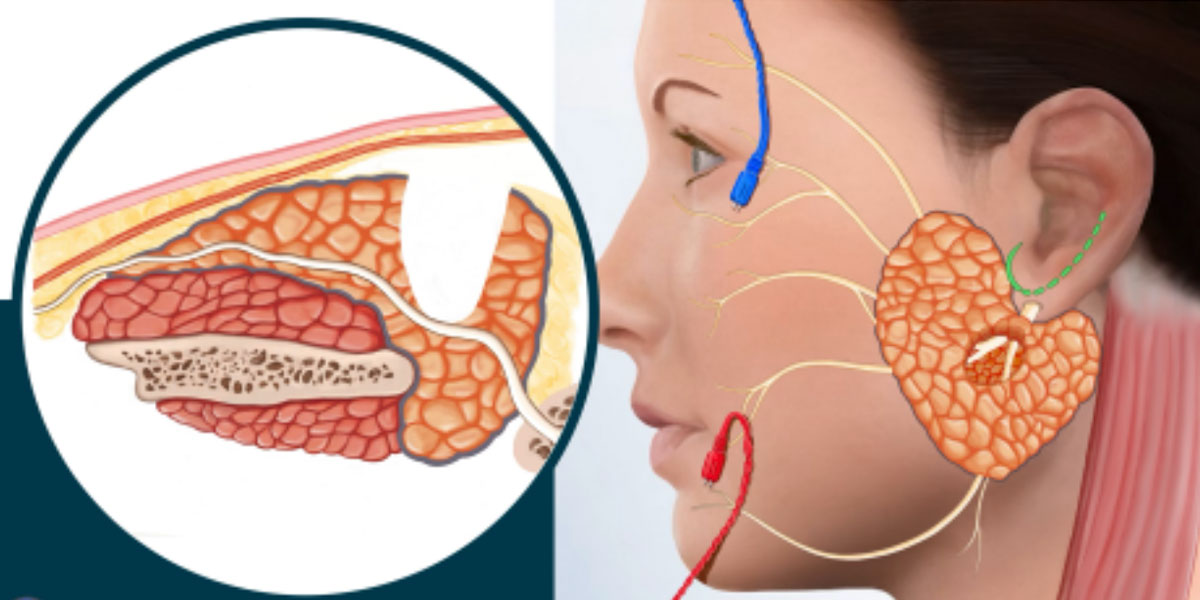
A micro-parotidectomy is a more refined and minimally invasive surgical technique designed to remove only the tumor and a small margin of surrounding tissue — without taking out the entire superficial lobe, unless absolutely necessary.
Key characteristics:
- The incision is much smaller — starting in front of the earlobe and curving behind it.
- Only the necessary amount of parotid tissue is removed, based on the tumor’s size and type.
- After removal, the remaining gland is sutured together, preserving gland function.
- The visible scar is minimal, typically hidden around the natural contours of the earlobe.
This method allows for customized treatment, tailored to the patient’s individual condition. If more extensive surgery is needed (e.g., for a cancerous tumor), the same incision can be extended to allow for a broader resection — offering both flexibility and precision.
Ultimately, the choice of procedure depends on several factors:
- Type of tumor (benign vs. malignant)
- Tumor location and size
- Involvement of the facial nerve
- Risk of recurrence
Final Thoughts
While both procedures aim to safely remove parotid tumors, micro-parotidectomy offers a more targeted, tissue-preserving, and cosmetically favorable approach for many patients — particularly those with benign conditions. It also allows the surgeon to adjust the extent of the operation based on the individual’s needs, rather than using a one-size-fits-all approach.
If you’re facing parotid surgery, be sure to discuss these options with your surgeon. Understanding the differences can help you make a more informed decision that aligns with your diagnosis, comfort, and long-term health.